
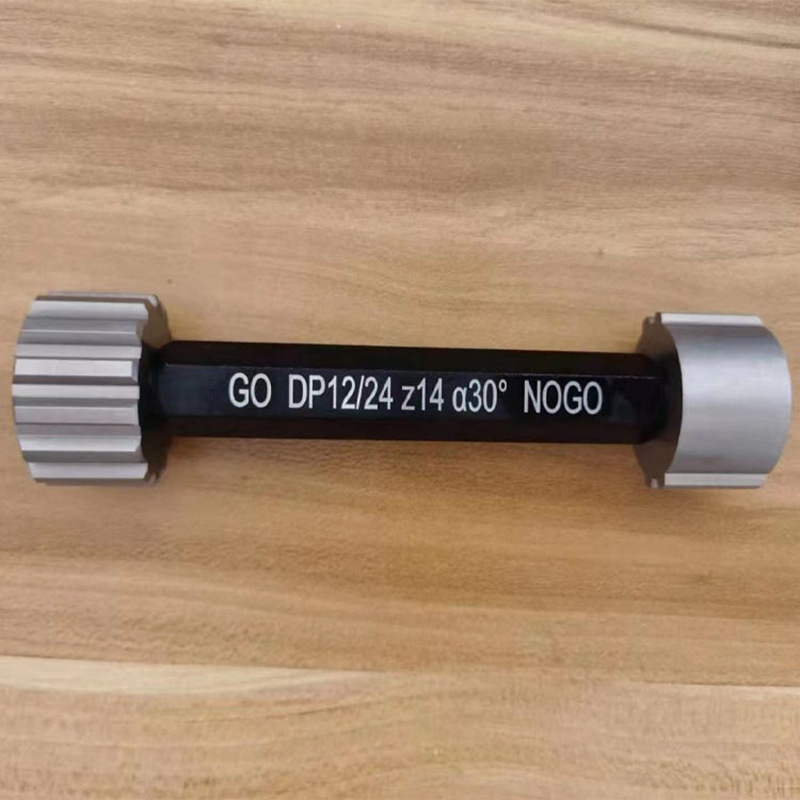
glass mirror with glass frame
Understanding the Three Types of Control Valves Control valves are integral components in various industrial processes, regulating the flow of fluids in a system. Their primary function is to maintain the desired flow rate, pressure, or liquid level, and they can be classified into three major types globe valves, ball valves, and butterfly valves. Each has its distinct features, advantages, and applications, allowing them to cater to diverse operational requirements. 1. Globe Valves Globe valves are widely used for regulating flow in piping systems. Characterized by a spherical body shape, these valves contain an internal baffle that divides the flow chamber into two halves, thereby controlling the fluid flow passage. When the valve is turned, the baffle moves either upward to allow greater flow or downward to restrict it. Advantages One of the key benefits of globe valves is their exceptional throttling capabilities. They provide precise control over the flow rate, making them ideal for applications requiring fine adjustments. Moreover, their design helps to minimize turbulence in the flow, which is advantageous in maintaining a consistent operation. Applications Globe valves are typically used in situations where flow regulation is critical, such as in domestic water systems, chemical processing, and heat exchangers. Their ability to maintain the required pressure gives them an edge in critical control applications. 2. Ball Valves Ball valves utilize a spherical disc, known as the 'ball,' to control the flow. When the valve handle is rotated, the ball aligns with the flow path to either allow or block the passage. This simple yet effective design provides a tight seal and ensures a high flow rate with minimal resistance. three types of control valves Advantages The primary advantage of ball valves is their ability to provide a quick shut-off. They can transition from open to closed positions with just a quarter turn, making them suitable for on/off applications. Furthermore, they tend to maintain a straightforward and compact design, which saves space in piping layouts. Applications Ball valves are commonly found in a variety of systems, including water supply lines, natural gas processing, and oil pipelines. Their robust build and reliability make them a favorite in industries where quick responsiveness is paramount. 3. Butterfly Valves Butterfly valves feature a circular disc that rotates within the valve body to control the fluid flow. The disc is positioned in the center of the pipe, and when opened, it allows fluid to flow through the valve, while closing the disc restricts the flow. The operation of butterfly valves is characterized by their efficient flow control and lower pressure drop. Advantages Butterfly valves are prized for their lightweight and compact design, enabling easy installation and minimal space requirements. They also provide a relatively simple operation compared to other valve types. Additionally, they can handle larger volumes of flow efficiently and can be used in both fully open and partially open positions to regulate flow. Applications These valves are extensively used in HVAC systems, water distribution, and wastewater treatment plants. Their ability to manage large quantities of fluids while maintaining a low-pressure drop makes them particularly suitable for large-scale operations. Conclusion Understanding the three types of control valves—globe, ball, and butterfly—is essential for selecting the appropriate valve for specific applications. Each type has its own set of advantages that cater to varying industrial needs, from precise flow regulation to quick shut-off capabilities and efficient high-volume flow management. By recognizing the distinctive features and ideal use cases of these control valves, engineers and operators can make informed decisions that enhance system performance and reliability. In a world increasingly dependent on effective fluid control, leveraging the right valve technology is a critical step towards achieving operational excellence.
about
glass mirror with glass frame
Understanding Control Valves A Focus on 1-2 Inch Specifications Control valves play a pivotal role in various industrial applications, regulating the flow of fluids within pipelines and systems. Among the different types of control valves available in the market, the 1-2 inch control valve stands out due to its versatility and suitability for a wide range of applications. This article delves into the significance, components, operation, and applications of 1-2 inch control valves. Significance of Control Valves Control valves are essential in many processes, including water treatment, chemical processing, and HVAC systems. They are designed to manage the flow rate, pressure, and temperature of fluids, ensuring that systems operate efficiently and safely. The 1-2 inch range is particularly popular due to its adaptability for both low and moderate flow applications, making it a common choice in various sectors. Components of a Control Valve A control valve typically comprises several key components 1. Valve Body This is the main part that contains the flow path for the fluid. The design of the valve body significantly affects the overall performance of the control valve. 2. Actuator The actuator is responsible for moving the valve mechanism. It can be either manual or automatic, with automatic actuators controlled by electronic signals or pneumatic pressure. 3. Trim The trim consists of the internal elements of the valve that regulate the flow, including the plug, seat, and other components. The design of the trim impacts the valve's flow characteristics, such as its flow coefficient (Cv). 4. Positioner In automated systems, a positioner ensures that the valve opens or closes to a specific degree based on signals from a control system. This component enhances the precision of the flow control. 5. Bonnet The bonnet serves as a cover for the valve, protecting the internal parts from external elements and allowing for maintenance access. control valve 1 2 inch Working Principle The operation of a control valve can be understood through its control mechanism. For instance, in a simple setup, a signal from a control system is sent to the actuator. When the actuator receives this signal, it adjusts the position of the valve trim, controlling the fluid flow through the valve. The degree to which the valve opens or closes depends on the setpoint from the control system, which is often determined by parameters like pressure, temperature, or flow rate. Applications of 1-2 Inch Control Valves The 1-2 inch control valve is used across various industries due to its flexible size and capability. Some common applications include - Water Treatment Control valves help regulate the flow of water and chemicals used in purification processes. - Chemical Processing In chemical plants, these valves are vital for maintaining optimal reaction conditions by controlling the flow rates of reactants and products. - HVAC Systems Control valves in heating and cooling systems manage the flow of air and water, ensuring comfort and efficiency in buildings. - Process Industries Many process industries utilize 1-2 inch control valves to manage flows in reactors, separators, and heat exchangers. Conclusion In summary, 1-2 inch control valves are crucial components in various industrial systems, offering flexibility and efficiency in fluid management. Understanding their components, operation, and applications allows engineers and technicians to enhance system performance, leading to better resource management and improved plant safety. As industries continue to evolve and demand greater efficiency, the importance of reliable control valves will only increase, solidifying their place in modern engineering and technology. Investing in quality control valves can potentially lead to significant savings and improved operational outcomes in future projects.
-

High quality industrial productsagement

High quality industrial products
View Details -

Meet the diverse needs of customers

Meet the diverse needs of customers
View Details -

Strict quality control

Strict quality control
View Details -

Top raw materials

Top raw materials
View Details -

Trusted supplier

Trusted supplier
View Details
Our application

news and information

Valvola a saracinesca elettrica a tenuta morbida
La scelta e l'utilizzo corretti di una valvola a saracinesca da 150 mm sono fondamentali in numerose

Welding and Fabrication Techniques for Enhanced Structural Integrity and Performance
Understanding the Welding Fabrication Table A Key Tool for Metalworking In the realm of metalworking

Vanne 100mm prix
Les vannes à guillotine sont des dispositifs essentiels dans de nombreux systèmes de plomberie et d'
 English